Buying my first Porsche: 20 cars, three months, and why the paperwork decided it
I looked at 20+ classic 911s in three months. Here's why I bought a perfectly documented 997, and what to ask for before you buy.
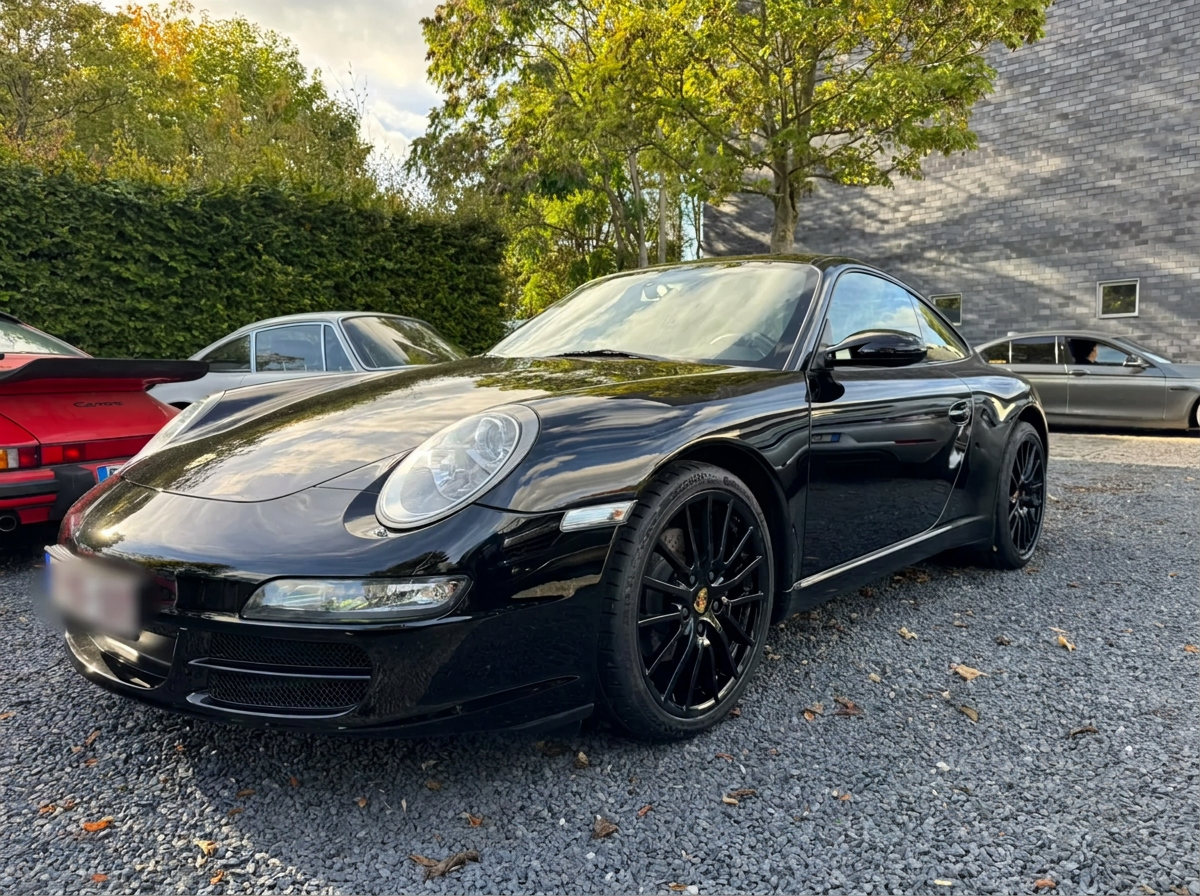
I didn't buy the most exciting car I looked at. I bought the best-documented one.
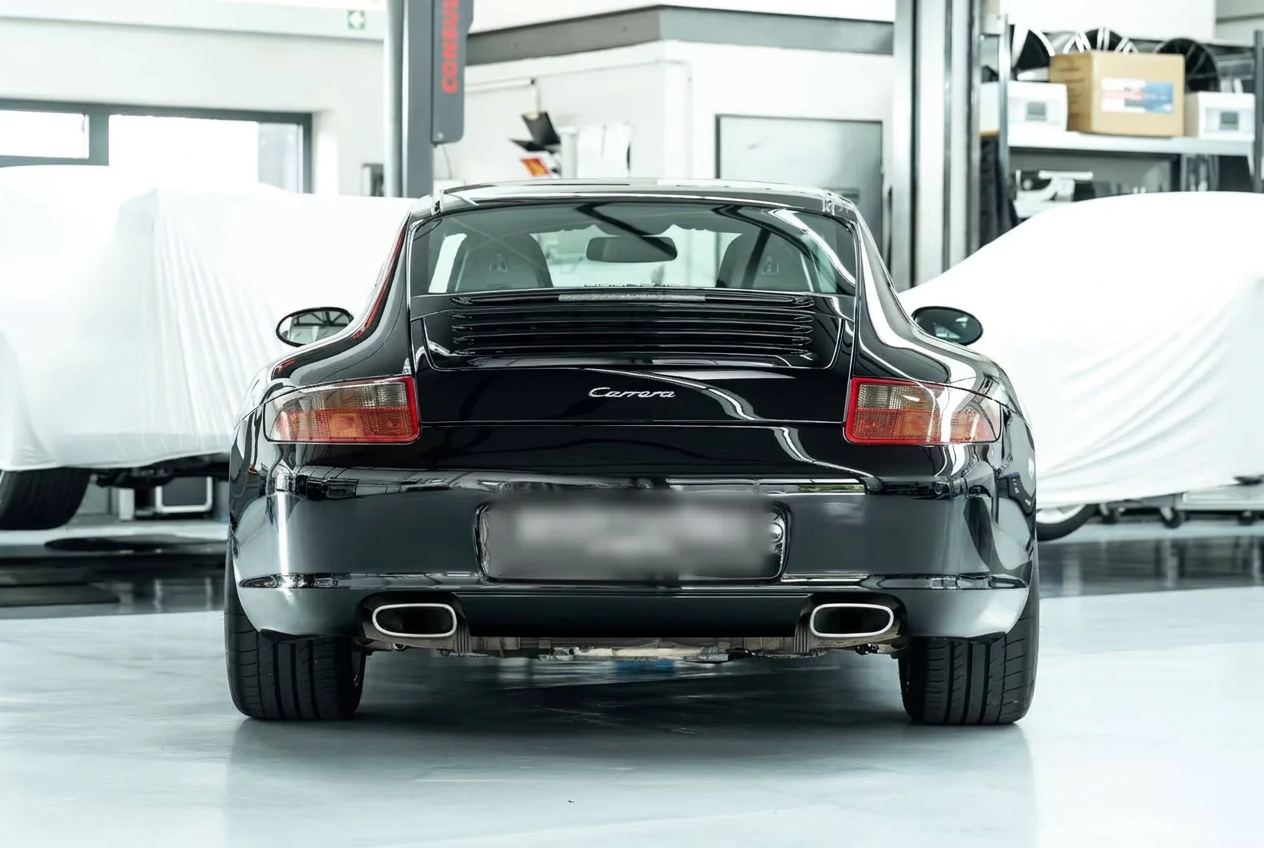
After three months, more than 20 cars and a lot of kilometres across Germany, I drove home in a 997 Carrera with 60,000 km on the clock, a complete service history, and an inspector who had known the car for ten years. This is how I got there, what I learned along the way, and why it convinced me that buying a classic car shouldn't come down to luck.
The brief: drive it, enjoy it, don't lose money
On paper, my requirements were simple. A classic 911. Manual gearbox. Coupé. A budget of up to €100,000. And one rule above all: I wanted a car I could actually drive and enjoy without watching its value disappear.
The plan was to keep it for a few years and then trade up to the next one. So what the car would be worth at the end mattered as much as how it felt on a Sunday morning.
There was one problem. It was my first Porsche. I had no technical background to judge a car’s condition, and no network of mechanics, specialists or fellow owners to call. For me this was a big financial decision, and I was very aware of how easy it would be to buy the wrong car.
What I did have were two friends who knew Porsches, and one of them is now my co-founder at ClassicID. Together they helped me find cars and taught me what to look for: which engines to trust, which models had known flaws, and which specifications and colours buyers would still want in five years. Just as importantly, they kept me honest. When a beautiful cabriolet on a sunny afternoon started to change my mind, they reminded me that I wanted a coupé. Every buyer needs someone like that. Most don’t have one.
More than 20 cars in three months
I looked at almost every 911 generation my budget allowed, and each one taught me something.
- 993, high mileage. The last air-cooled 911 and the one everyone wants. Within my budget that meant a lot of kilometres, and the open question of what those kilometres had done to the car.
- 996 Turbo. Enormous performance for the money. But many cars are modified and raise questions: done by whom, with which parts, and will the next buyer see it as an upgrade or as a risk?
- 911 G-model. Beautiful and historic, but less fun to drive than I had hoped.
- 964, the classic. For my budget though: Patchy history, high mileage, re-imports, and gaps in the paperwork that no seller could fully explain.
Every car meant phone calls with the seller, requests for photos and documents, and often a long drive to see something that didn't match its listing. Over three months that added up to a lot of evenings on the phone and weekends on the autobahn.
Becoming an amateur expert
To judge what I was seeing, I had to learn fast. I read up on each generation’s engines and their known strengths and weaknesses. I learned which faults to look for in which model. I researched how rare each model, specification and colour really was, because rarity drives value. And I dug into what a proper maintenance schedule looks like, and which upgrades add value and which quietly destroy it.
The more I learned, the clearer one thing became: the car in front of you only tells half the story. The other half is in the folder. Who owned it, who serviced it, what was replaced and when, whether the numbers match. A shiny car with a thin folder is a gamble. A good car with a complete history is an asset.
The car I didn't expect to buy
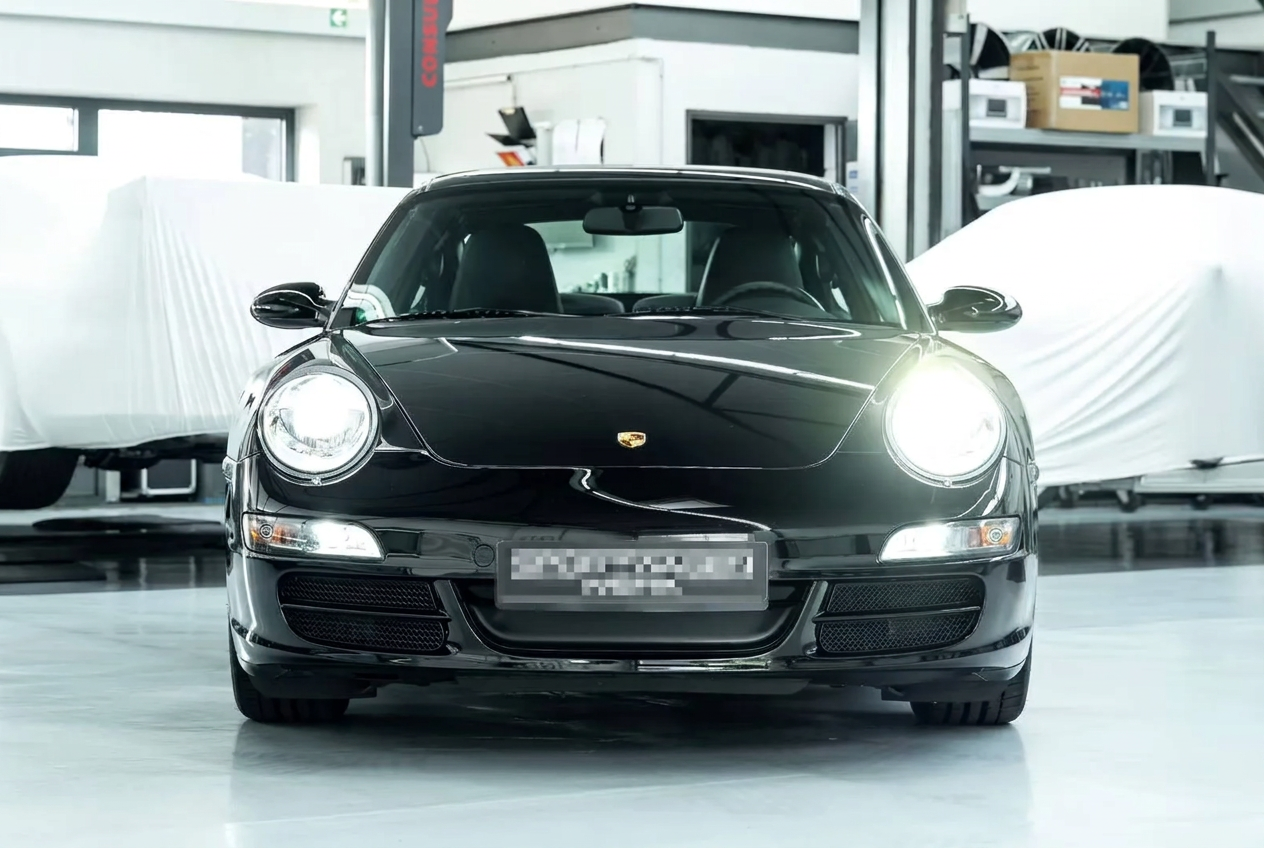
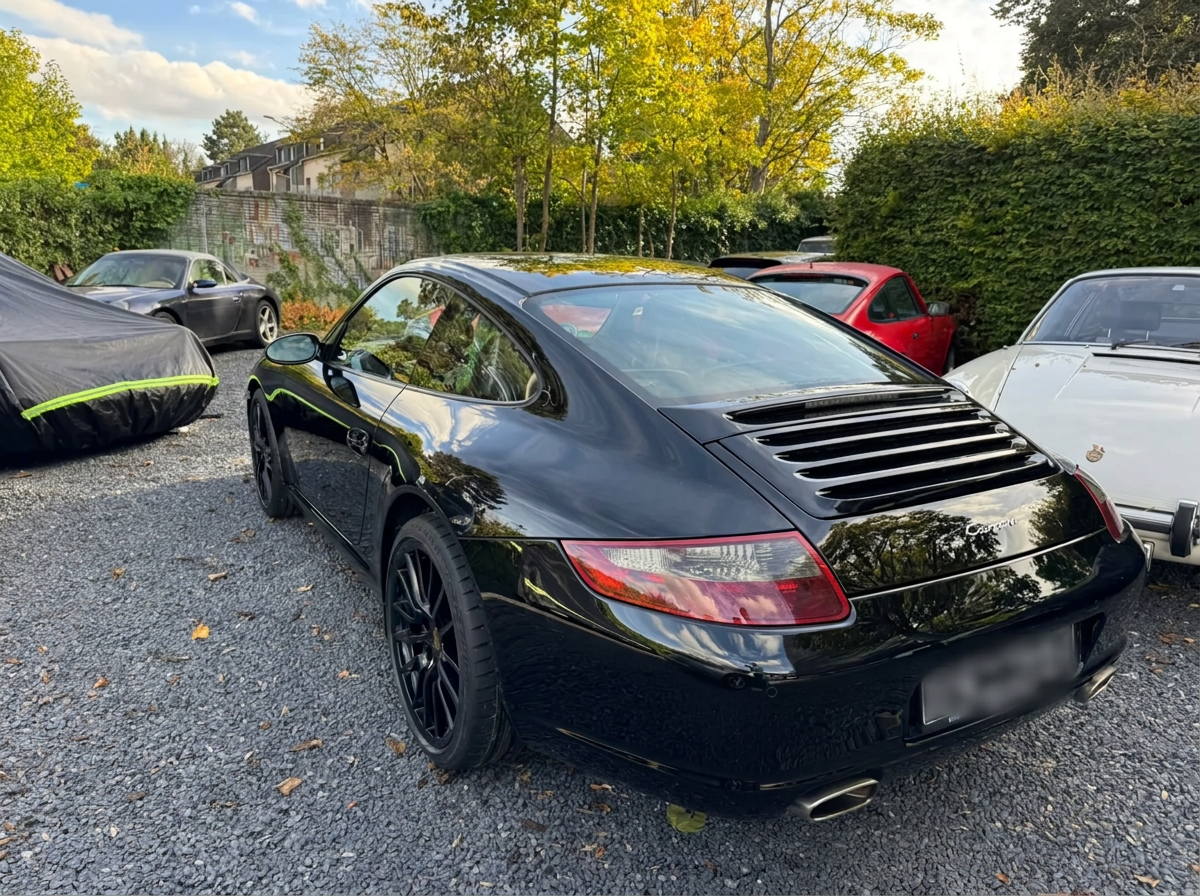
In the end I bought a 997 Carrera. Of everything I had seen, it was not the most exciting car. But it ticked every box that mattered:
- Fully documented and serviced, every service and repair on record
- 60,000 km, low for its age
- Like-new condition, inside and out
- A seller I could trust, a friend of a friend
- An independent inspector who knew the car, an old school friend who had inspected it regularly for the past ten years
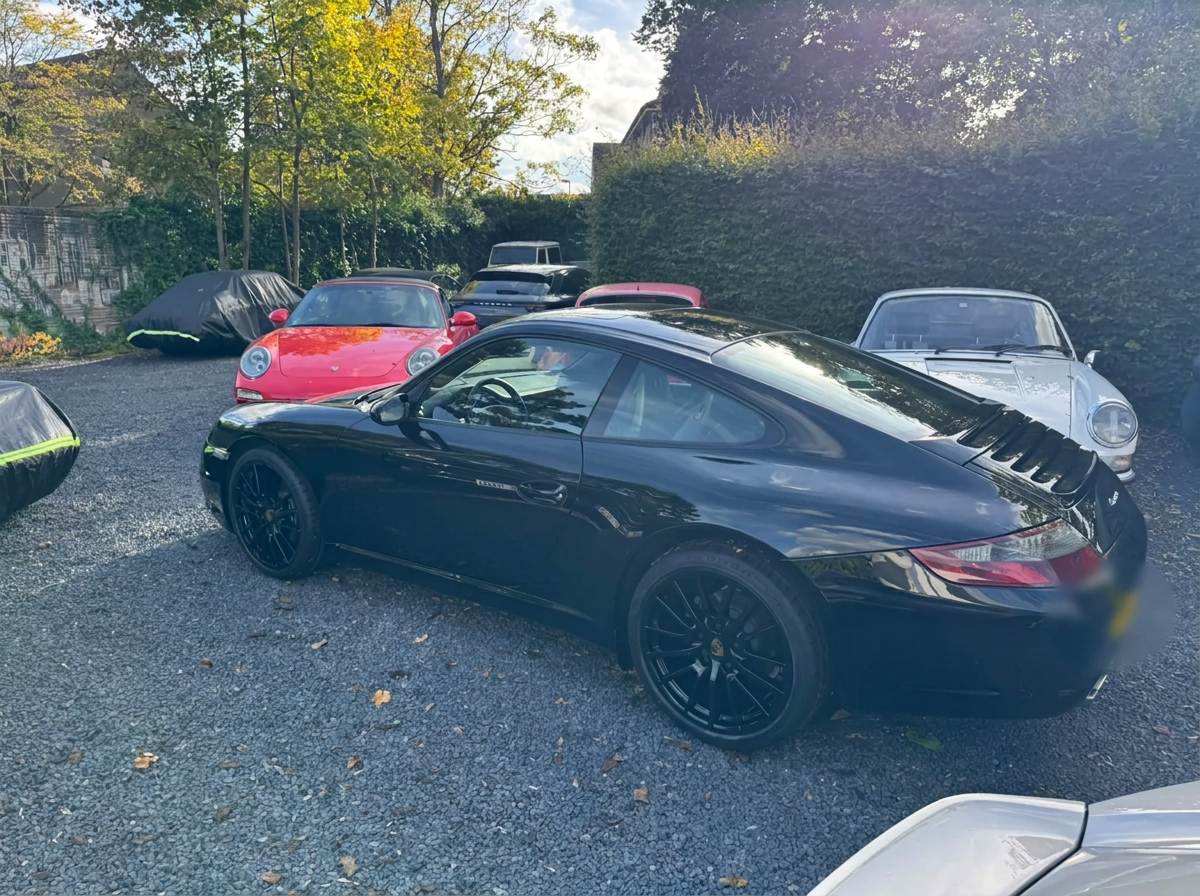
With all of that in place, I made the decision with real confidence. For a purchase of that size, confidence was worth more to me than any extra horsepower.
Why I was lucky
On the drive home I realised how much of it had come down to luck.
- Documentation this complete is rare. Most of the cars I saw had gaps, missing invoices, or a history that started with the current owner.
- Knowing the seller and the inspector was pure coincidence. Most buyers have neither.
- The car looked flawless, so there was nothing to second-guess.
Take away any one of those and the decision gets much harder. Take away all three, which is where most buyers start, and you are spending a six-figure sum on trust and gut feeling.
This should be easier
Classic cars are an asset class of their own. Many models hold or grow their value, and owners spend serious money buying, maintaining and restoring them. Yet buyers make these decisions with far less information than they would accept for any other asset of that size. The seller knows the car’s history. The buyer has to piece it together from a folder, a phone call and a test drive.
The friend who taught me most of what I now know about these cars became my co-founder. Our question was simple: why should a good decision depend on knowing the right people?
That gap is why we are building ClassicID. Every car gets a digital passport tied to its VIN: service records, previous owners, inspections and documents, in one place, in order, and shareable with a single link.
- Owners keep their car’s story intact and can show why it is worth what they are asking.
- Buyers see the full picture before they drive across the country.
- The next owner inherits a history instead of a shoebox of receipts.
I found my car because I was lucky. The next buyer shouldn't need to be.
Before you buy a classic 911: what to ask for
What I would ask every seller now, before I'd even get in the car (see how it looks in a sample passport):
- Full service history with invoices, ideally from known specialists or Porsche Centres
- Number of previous owners, and how long each one kept the car
- Proof of matching numbers for engine and gearbox (for a Porsche, the Certificate of Authenticity helps)
- Earlier inspection reports, including any previous pre-purchase inspections
- Accident and paint history, and a paint-depth reading at the viewing
- Records of every modification: who did it, which parts were used, and whether the original parts were kept
- For re-imports: import papers and the car’s history in its first country
- An independent pre-purchase inspection by a specialist you choose, not the seller
FAQ
Is a 997 a good first Porsche?
For me it was. It is modern enough to drive often, there are plenty on the market, and specialists know the model well. Condition and history mattered far more in my decision than the exact variant.
How much does service history matter for a classic car's value?
It is one of the biggest factors, because it lowers the buyer’s risk. A car with gaps in its history leaves the buyer guessing, and buyers price that uncertainty in.
How long does it take to find the right classic car?
It took me three months and more than 20 cars. Plan for the time as well as the money, and decide on your non-negotiables before the first viewing.