Buying a Meyers Manx at auction: an unexpected bare metal restoration
I knew it was a project car. I just didn't know how big a project it would turn out to be.
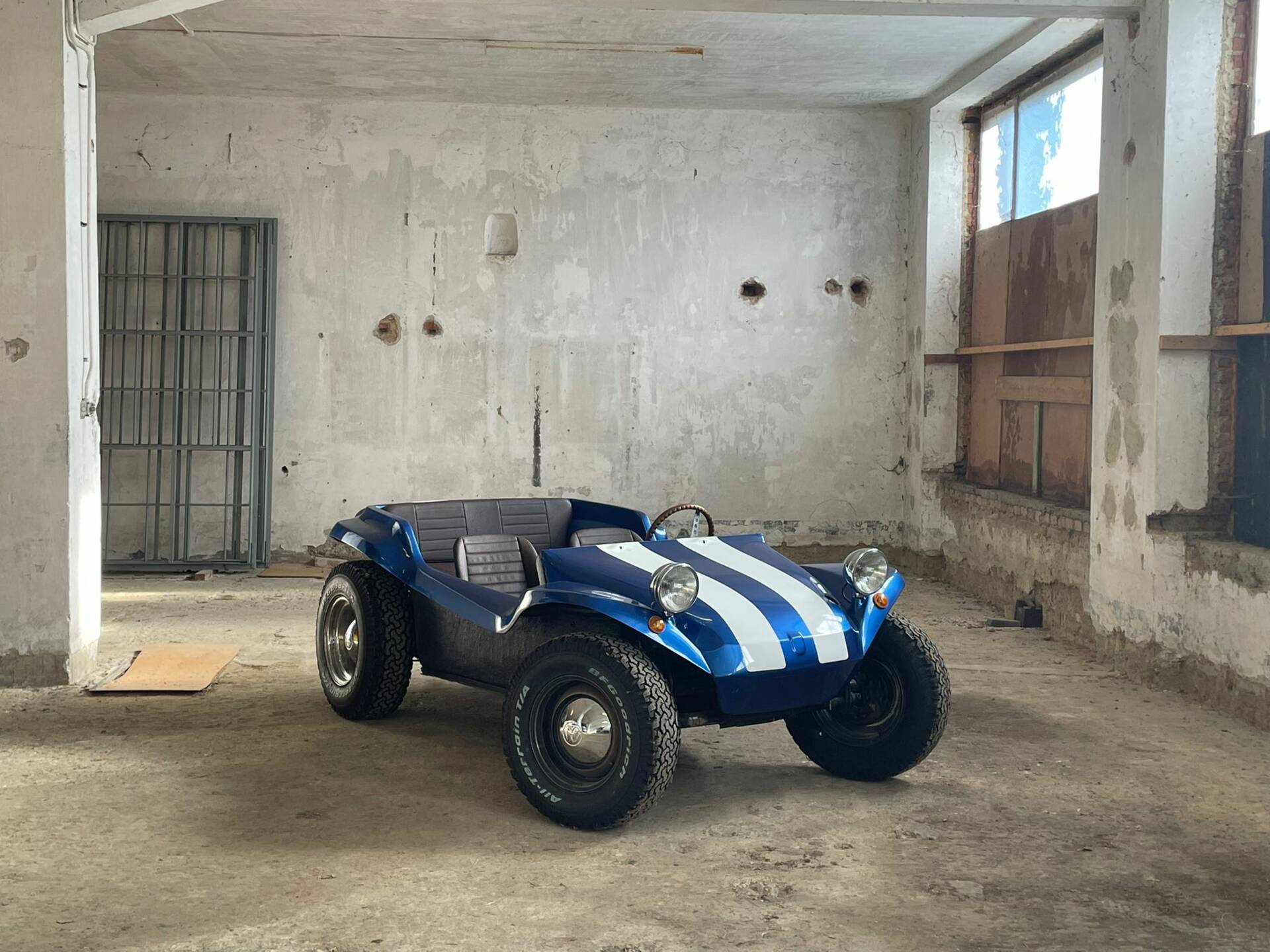
In February 2025 I bought a 1968 Meyers Manx at auction. It was my first auction purchase and turned into my first full restoration project. This is the first of three posts about the project. Part 1 covers why I bought it, getting it home and what we found when we stripped the chassis.
How Goodwood Revival made me want a Manx
In September 2024 I was at Goodwood Revival. That year the Meyers Manx turned 60, and Goodwood marked it with a parade of beach buggies to open every day of the event. Because the Manx is the most imitated kit car ever built, the parade was open to beach buggies in general. Genuine Manxes made up the biggest group, running alongside the many copies the design inspired, from makers such as Moonface, Sidewinder, Predator and JAS. All of them were air cooled, light and impossible to watch without smiling.
Meyers Manx beach buggies in the 60th anniversary parade at Goodwood Revival 2024.
Five months later, a Manx came up at auction on Classic Trader.
What you actually get when you buy at auction
Auctions are fast. You get a handful of photos, a short description and a deadline. The buggy had been imported from the US many years earlier and, as far as anyone could tell, had never been fully restored. I knew it needed work. I did not know how much, and nobody could tell me.
With a car like this, the honest answer to "what condition is it in?" is "we will find out when we take it apart."
A short history of the Meyers Manx
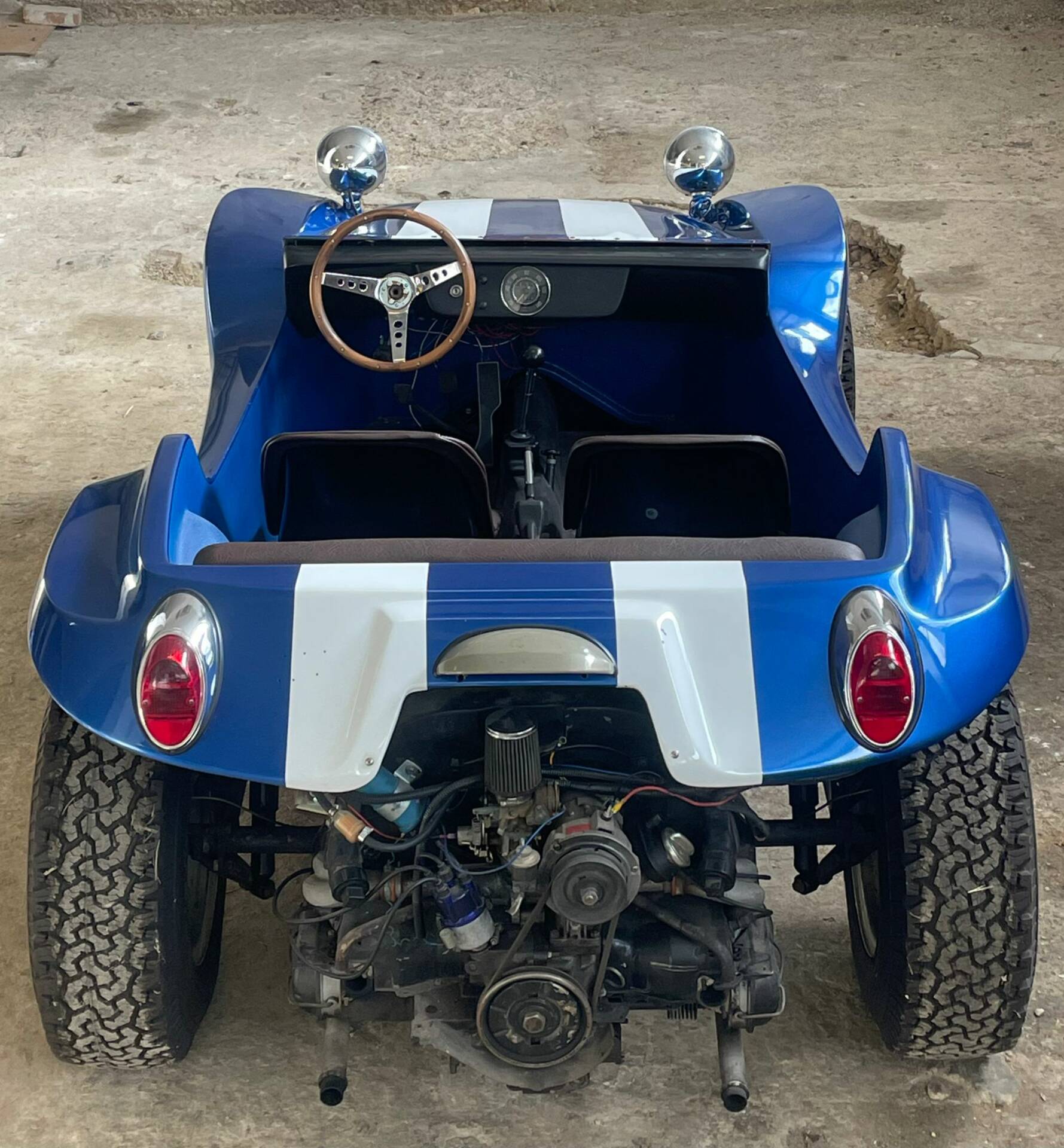
Bruce Meyers was a surfer and boat builder from California. In 1964 he used his fibreglass boat building experience to build a lightweight body and mounted it on a shortened Volkswagen Beetle floorpan. The prototype, nicknamed Old Red, became the Meyers Manx, named after the tailless Manx cat because of its short rear.
The Manx proved itself quickly. In 1967 Meyers drove Old Red down the Baja peninsula in record time, a run that helped start the race now known as the Baja 1000. A year later Steve McQueen drove a custom Manx in The Thomas Crown Affair. Around 6,000 kits were sold before the company closed in 1971, undercut by cheaper copies. The Library of Congress has documented Old Red as a nationally significant vehicle and calls the Manx the most replicated car in history.

That history matters for restoration. Underneath my car sits the chassis of a 1965 VW Beetle. So it is two cars in one: a fibreglass body with a boat builder's DNA, and a Beetle platform with a Beetle's weaknesses.
Shipping the buggy from Austria to Berlin
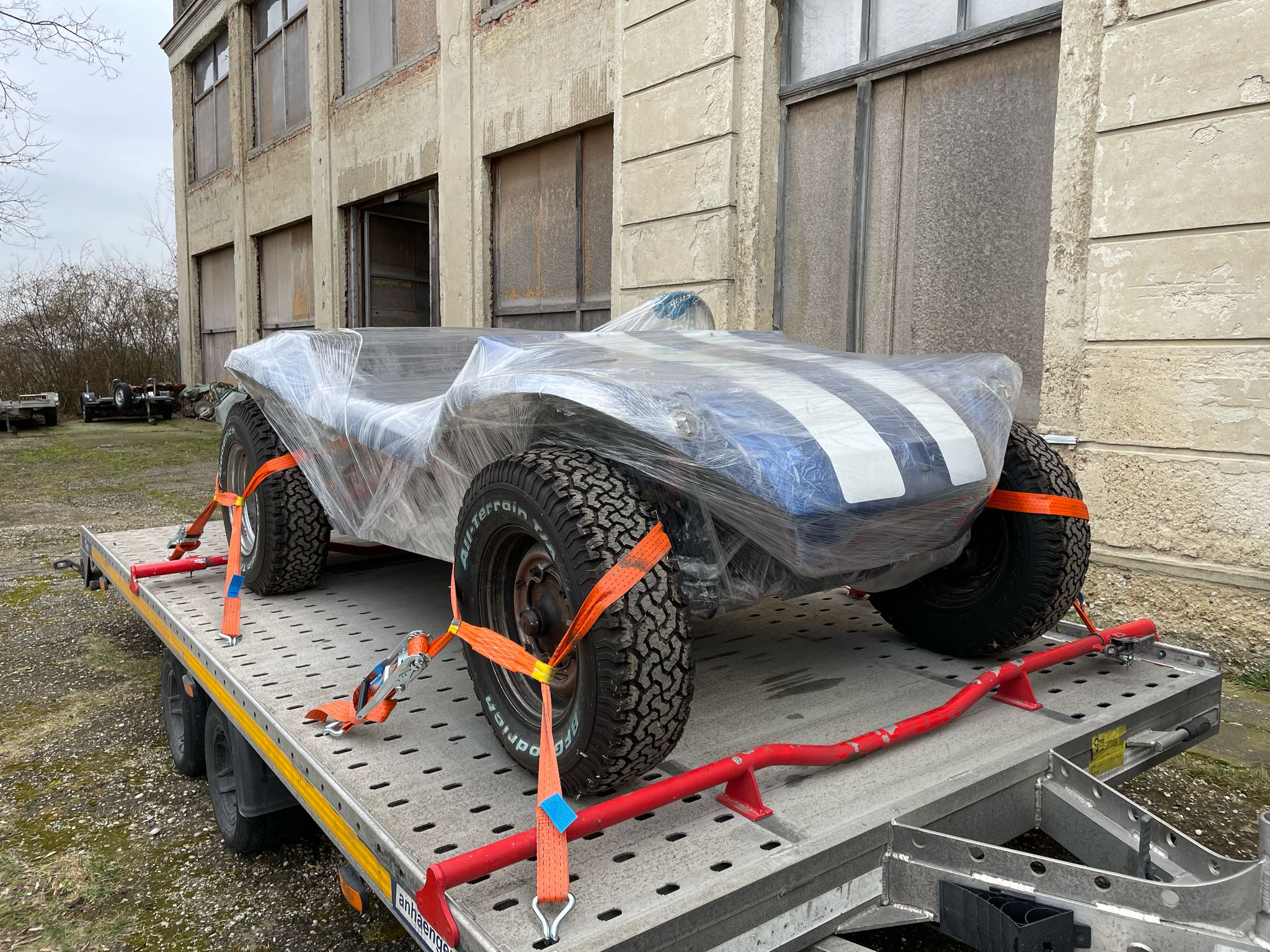
The car was in Austria and I live in Berlin, so the first practical job was transport. It is a small step, but it is the moment the project becomes real.
Dry ice blasting: seeing what is really underneath
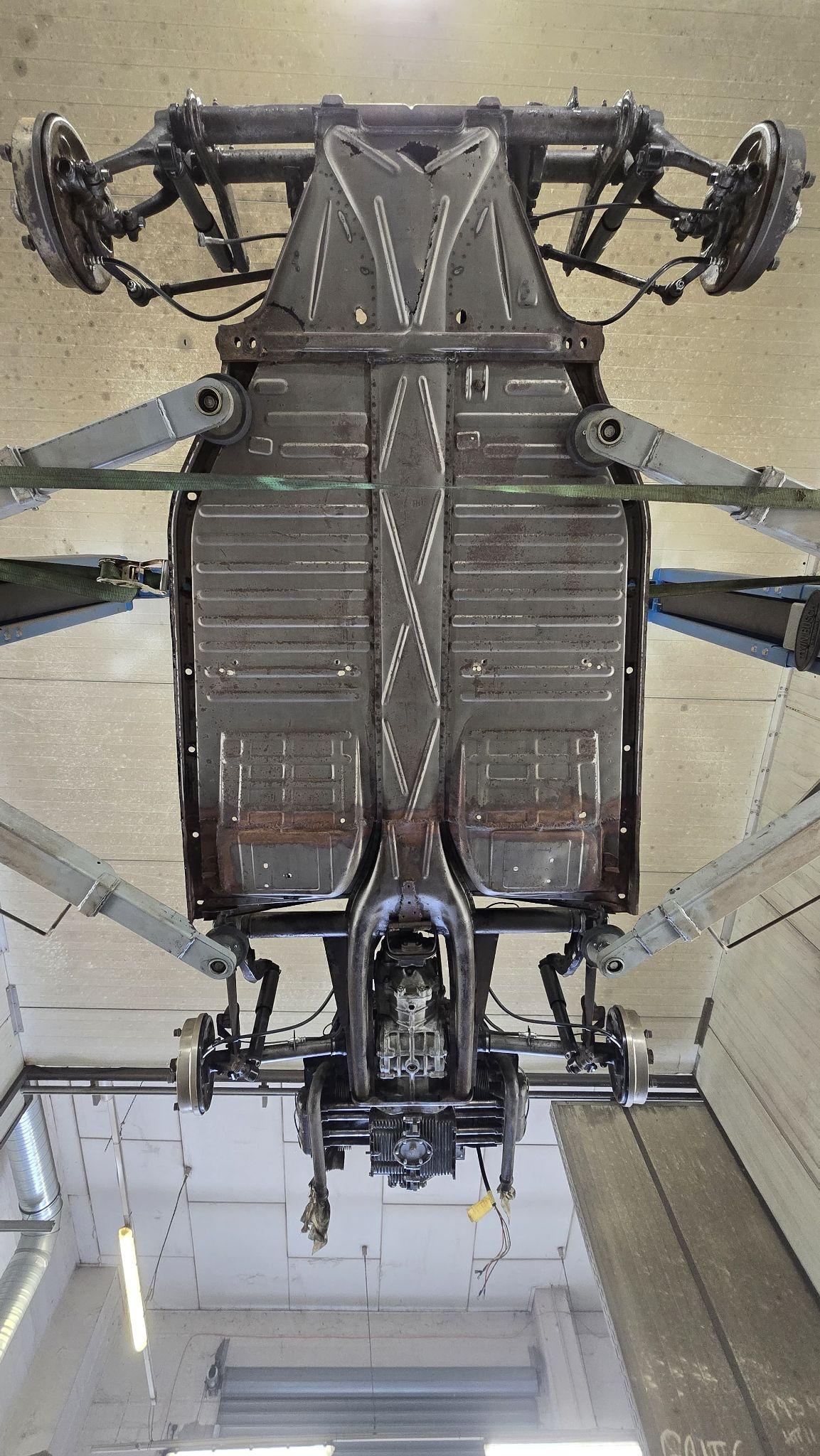
Before making any plan, I needed to see the chassis. Years of paint, underseal and dirt hide a lot. We had the car dry ice blasted, a gentler approach than sand blasting that strips old coatings without attacking the metal underneath.
The underside as it arrived: years of underseal and dirt.
Rust in the frame head: the classic VW Beetle weak spot
Once the chassis was clean, we found large rusty areas, worst of all in the frame head, the front end of the central tunnel where the front axle bolts on. That is a typical weak spot on VW Beetles, and because the Manx is built on a Beetle floorpan, it is a typical weak spot on Manx buggies too. Moisture collects there, and the original steel was never designed to last sixty years.
A fibreglass body does not rust, which makes the chassis the real heart of the project. Until the structure was sound, everything else was cosmetic.
Finding a specialist to fix the chassis
This was the first big challenge of the whole restoration. Not many workshops are willing to take on a Beetle based buggy chassis, and the ones who do are busy. Finding the right specialist took many phone calls and online research. After being turned down by multiple Beetle specialists, I ended up loading the Manx onto a trailer and driving it to the only promising specialist I found near Berlin.
Restoring the Beetle chassis
The chassis work went to René Große Restaurierungen in Wusterwitz. The frame was repaired and painted by July 2025, and the axles, steering and engine followed in January 2026. The combined work on all these items came to over 100 workshop hours already.
Taking it all apart
First the car was stripped completely: axles, engine, gearbox and every fitting came off. The bare frame went onto a rolling stand, and later onto a rotisserie so it could be turned and reached from every side. Rotten sheet metal was cut out, and every usable part was labelled and stored.
Glass bead blasting
The floorpan was then sent out for glass bead blasting. Instead of sand, the blaster fires tiny glass beads at the metal. They remove rust, old paint and grime down to bare steel, but they are gentle enough not to eat into thin sheet metal, and they leave a smooth, even surface that takes primer well. After dry ice blasting had shown us the problems, glass beads gave the welder a clean surface to work on.
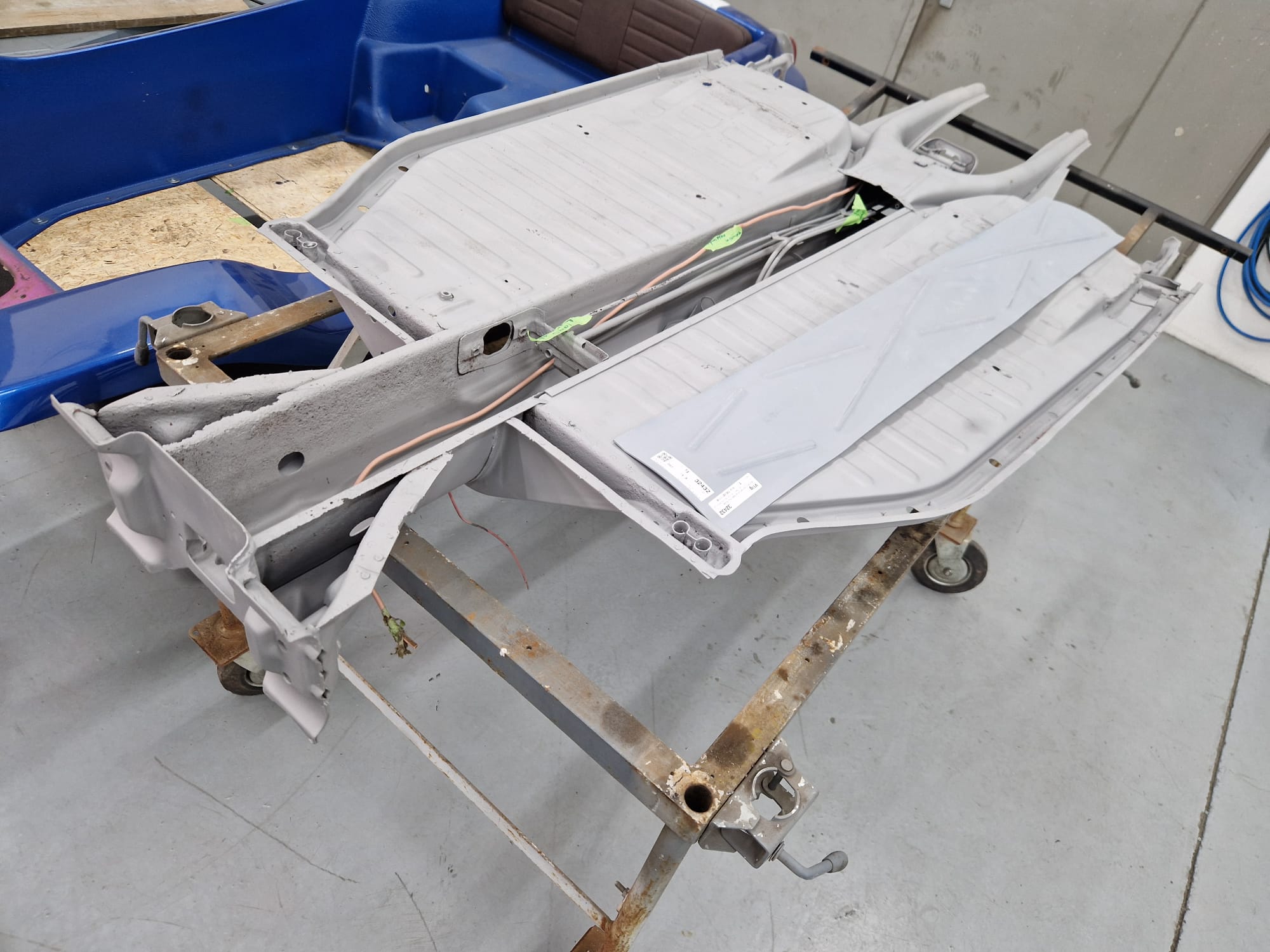
As the blasting had shown, most of the damage sat in the frame head. The tunnel edges there were rebuilt with new metal, and a new frame head floor and a new tunnel cover plate went in. Further back, both outer ends of the hat shaped panel at the rear of the tunnel, known in Germany as the Napoleonhut, were repaired. Every old hole in the floor pans was welded shut and ground smooth. A section with a stiffening bead was made from scratch, the rear cross seam got a new patch, and the bent edges where the body sits on the floorpan were straightened and welded. Even the loose plate behind the chassis number was fixed back in place.
Smaller jobs added up too: a new fuel line with cleaned and new brackets, Owatrol rust treatment inside the gearbox mount, and one front brake drum pulled to check the condition of the axle.
Protecting it for the next sixty years
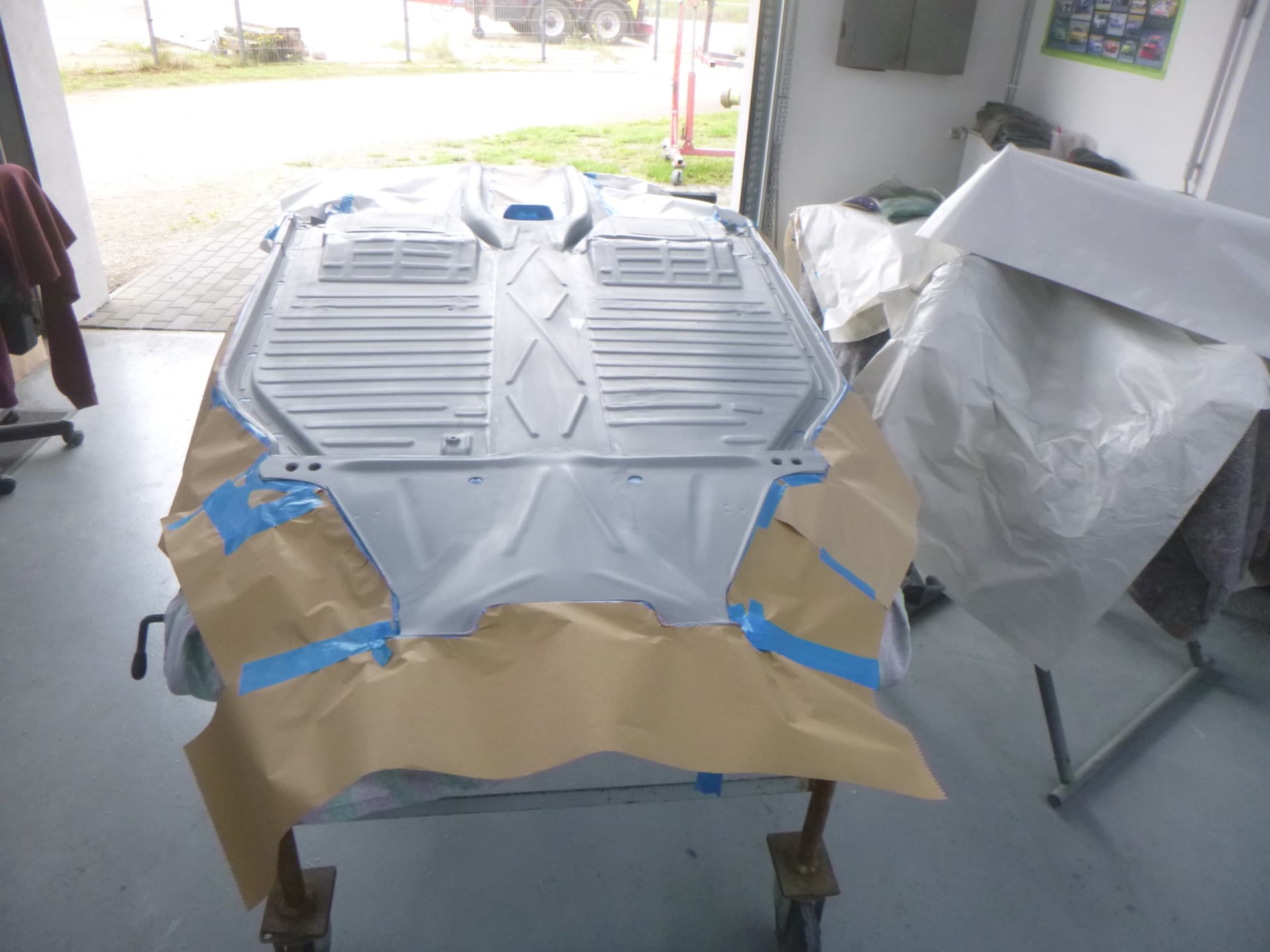
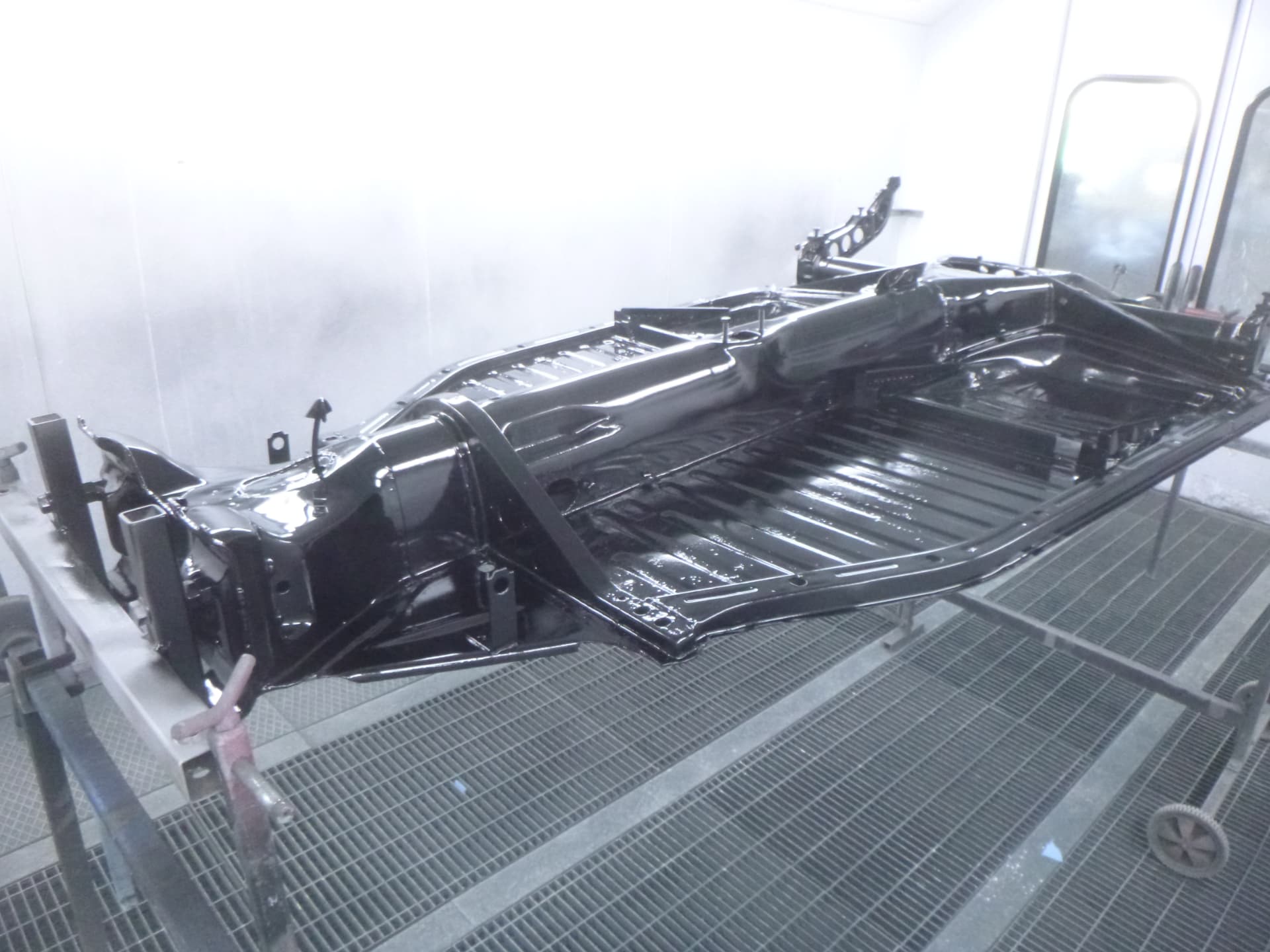
The cavities were primed, every seam was sealed, and the underside got a stone chip coating. The top was filled, sanded and finished in satin black.
The engine: a pleasant surprise
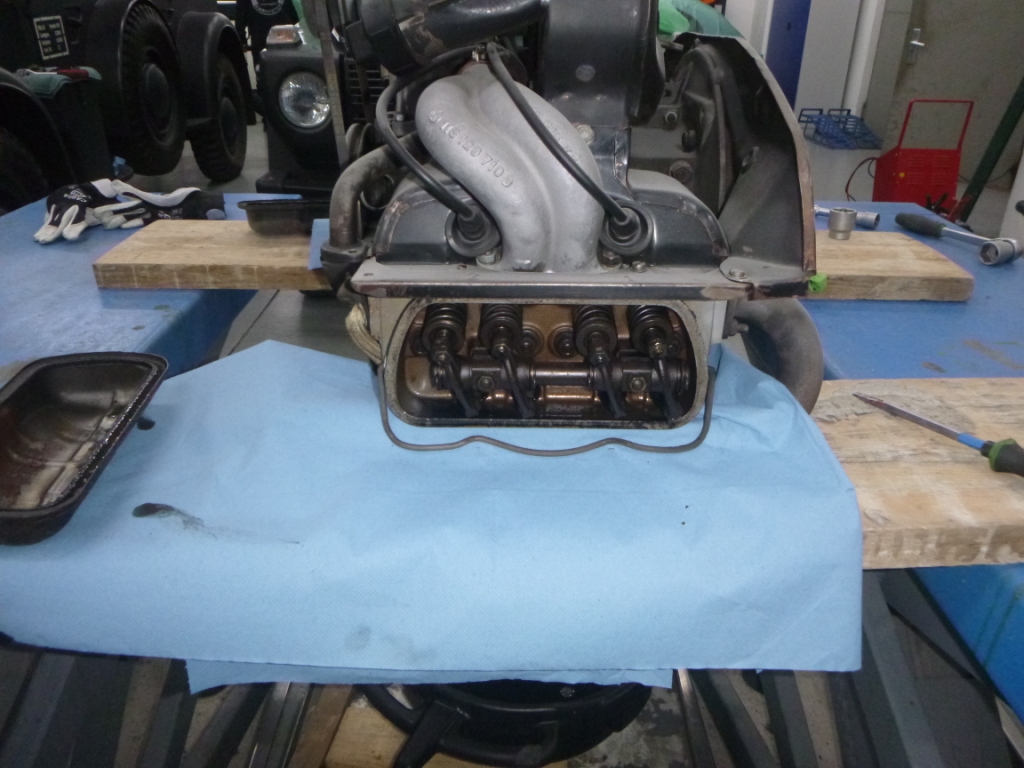
After the state of the chassis, I expected the worst from the engine. It luckily turned out not to need a rebuild, confirming the good reputation of VW engines from the 60s.
A surprise under the blue paint
In summer 2025, with the frame repaired, we turned to the body. At some point in its life the Manx had been painted blue and white, and the plan was simple: strip the colour to reveal the original metalflake gel coat in Fuchsia metallic...
Then the first layers came off, and pink showed through.
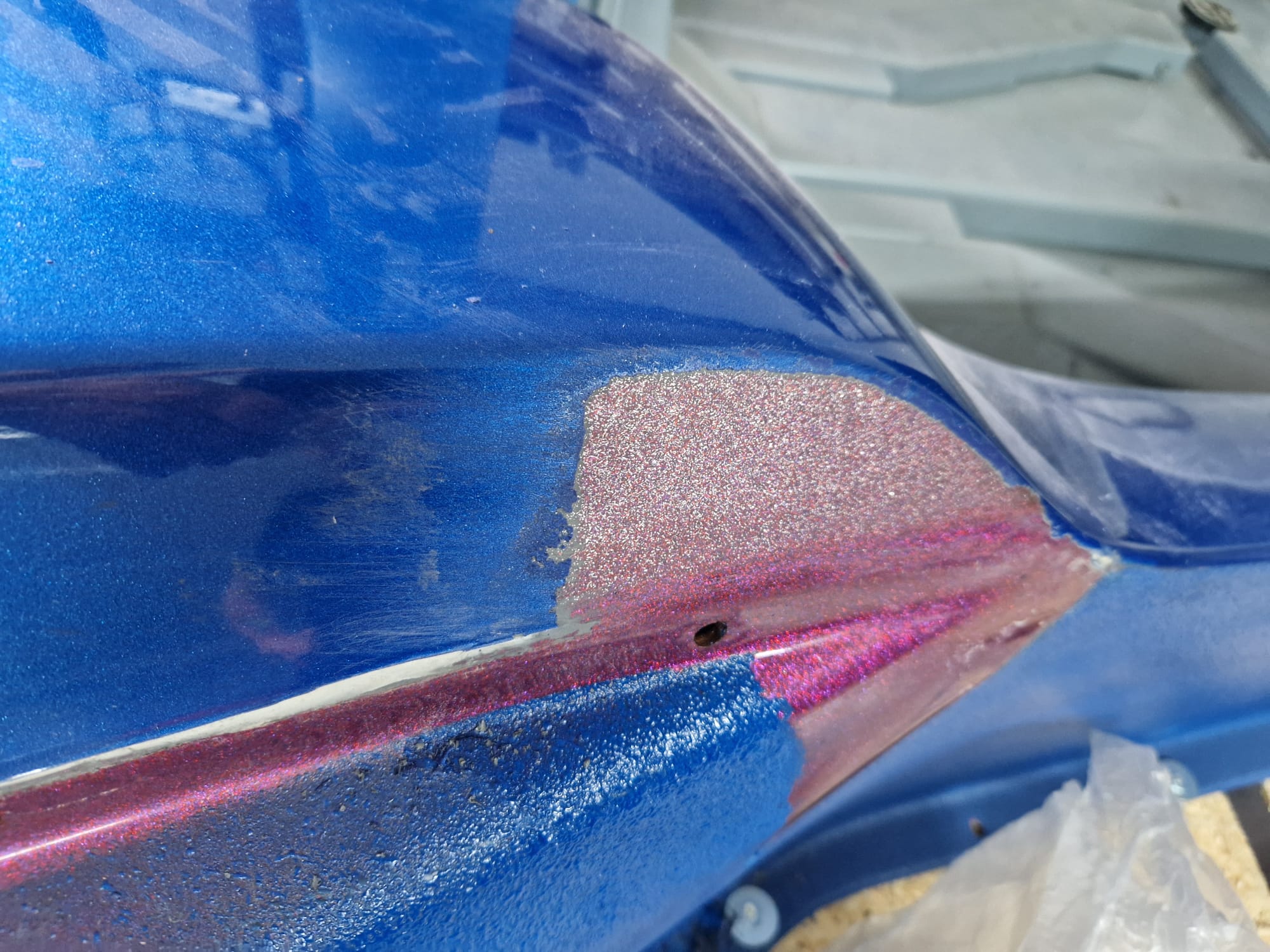
Underneath the blue was the original Fuchsia metallic, still full of the metal flakes Bruce Meyers had borrowed from boat building. It was the colour the car was born in. It was also damaged beyond a simple polish. Bringing it back would take a 1960s supplier in New Jersey, a paint recipe nobody had written down and twelve rounds of clear coat.
To be continued in Part 2.
What I would tell anyone buying a project car at auction
- Assume the structure is worse than it looks. Paint and dirt hide rust.
- Strip it back early. You cannot plan a restoration without seeing the real condition.
- Budget time as well as money. Specialists are the bottleneck, often more so than spare parts. Ideally find a restoration specialist before you bid.
The invoice for the chassis alone runs to several pages of work items. Records like that are what a ClassicID digital passport is for: all work is summarized and cleanly documented, so anyone can see what was done, by whom and when.
FAQ
A Meyers Manx is a fibreglass dune buggy designed by boat builder Bruce Meyers in 1964. It sits on a shortened Volkswagen Beetle floorpan and became a symbol of California beach culture.
It can be, if you are prepared for the chassis. The fibreglass body does not rust, but the Beetle platform underneath does. Budget for structural repair and for a specialist who knows both Beetle chassis and fibreglass.
Ask for photos of the underside, especially the frame head around the front axle, and find out which Beetle the floorpan came from. Check whether the body has been repainted, because an original gel coat under later paint can be damaged. Plan on stripping the car back before making a budget.
Glass bead blasting cleans metal by firing tiny glass beads at it. It removes rust, paint and dirt down to bare steel without eating into thin sheet metal, and leaves a smooth surface that takes primer well.